
Searching for a Warrant in Charleston County
The Charleston County Sheriff's Office form is the public starting point for warrant information held by the Sheriff. It asks for a last name. The first name is optional. There is no visible filter for date of birth, court, charge, or city. A common surname can pull several people, so a match is only a reason to verify, never a conclusion. Run the search for your own status and note the date you checked. City tickets follow a different path: begin with the city named on the ticket. For a General Sessions case, the Public Index may locate the docket. No single name search reaches every municipal, magistrate, Family Court, or federal record in Charleston County.
- Read the issuing agency on your ticket or court notice.
- Use the official search for that court or Sheriff unit.
- Write down the date and the case number shown on your own paper.
- Call the issuing office to confirm the current status and next step.
- Ask about counsel, bond, a motion, or an appointment before appearing.
Charleston County Search Fields
The public Sheriff form is spare by design. It asks for no date of birth, no Social Security number, no warrant number, and no municipality. Less typing for you. The trade-off is real, though. A name alone may not separate two Charleston County residents who share it, and it cannot reveal a warrant held only by a city court. Stick to the labels on the official page. Skip any unofficial site that asks for extra personal details.
| Field | Type | Required | What It Means |
|---|---|---|---|
| Last Name | Text | Yes | Required search term; does not prove identity. |
| First Name | Text | No | Optional narrowing field. |
| Date of birth | Not offered | No | Not a public-form filter. |
| Warrant number | Not offered | No | Ask the Warrants Unit or court to check a paper number. |
| City or court | Not offered | No | Municipal cases require their own route. |
Why County Search May Mislead
A last-name result can belong to someone else. The Sheriff warns that information may be wrong or outdated, and that a false identification can make even a name and birth-date match misleading. Never decide identity from a photograph, an address, or another person's details. Never approach anyone based on a result. A blank search has limits too. A warrant may not be authorized for public release, may sit with a municipal or magistrate court, or may not yet appear in the system. A recent payment, court order, or service event can also take time to reach every database in Charleston County. The Warrants Unit at (843) 529-7391 can explain the official confirmation route. Search for orientation, not a conclusion. The office holding the current warrant record can confirm whether a court action changed its status.
Warrant Search Fields Explained
A search return may show a case or warrant number, a charge, the court, bond terms, or a status. The CCSO public interface promises none of these fields in particular. Other screens, such as court dockets and municipal portals, use different labels. They may display case activity rather than live service status. If you already hold paperwork, compare its issuing court and number against the result. That comparison settles most mix-ups. For a copy of the court file, use the court's own clerk. For a Sheriff service question in Charleston County, use CCSO.
| Number | Use the case or warrant number printed on your own official paper. |
|---|---|
| Issuing court | Names the court that controls the next court procedure. |
| Charge | Summarizes the alleged offense or court matter. |
| Bond | Must be confirmed with the court; a search value is not a payment instruction. |
| Status | Ask whether it is current, served, returned, or recalled. |
What a Warrant Search Shows
The Charleston County Public Index is a separate tool. Its General Sessions instructions allow a warrant number in the case-number field and describe filters for names, dates, and actions. The index can connect a warrant to a docket. It cannot establish that the warrant is still active, or that the Sheriff holds it for service. Its own warning says the data can be wrong or not current. Since January 1, 2026, home addresses no longer display, and the site explains how to request redaction of sensitive identifiers. Use the Public Index for case context only. Then ask the Clerk of Court or the issuing court about the file itself. Review the official General Sessions search instructions before choosing a filter.
Where to Check Warrants in Charleston County
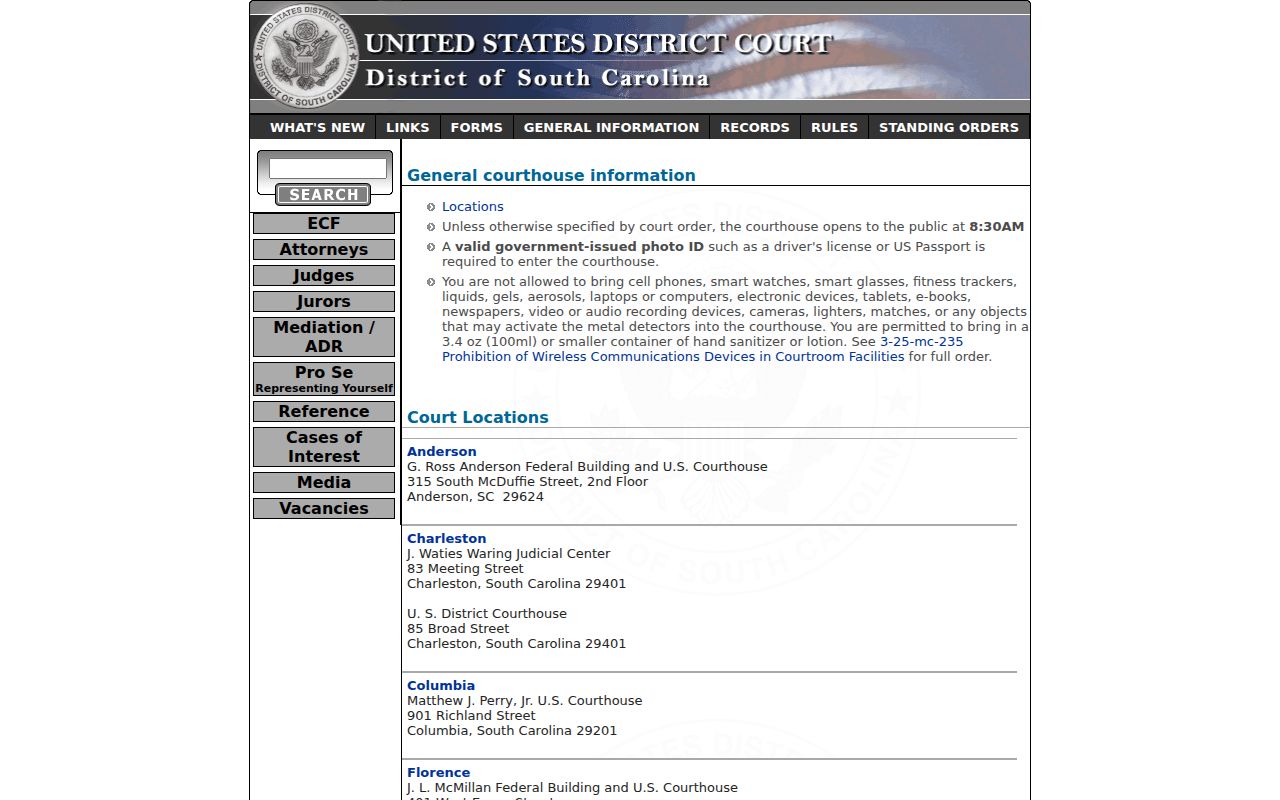
Each office holds its own records in Charleston County. The Sheriff search covers only what that office has authorized for public release. The Clerk of Court maintains Circuit and Family Court records. County magistrate matters route to Summary Court Administration or the issuing magistrate. City matters belong to the city's Municipal Court or police warrant desk. Federal process rests with the U.S. District Court and federal officers. When a search returns nothing, identify the court from the citation or case paper and ask that office how it checks its own bench warrants. The Ninth Circuit Municipal Court directory lists city court contacts, and the District Court location guide lists federal courthouses and visitor-access details.
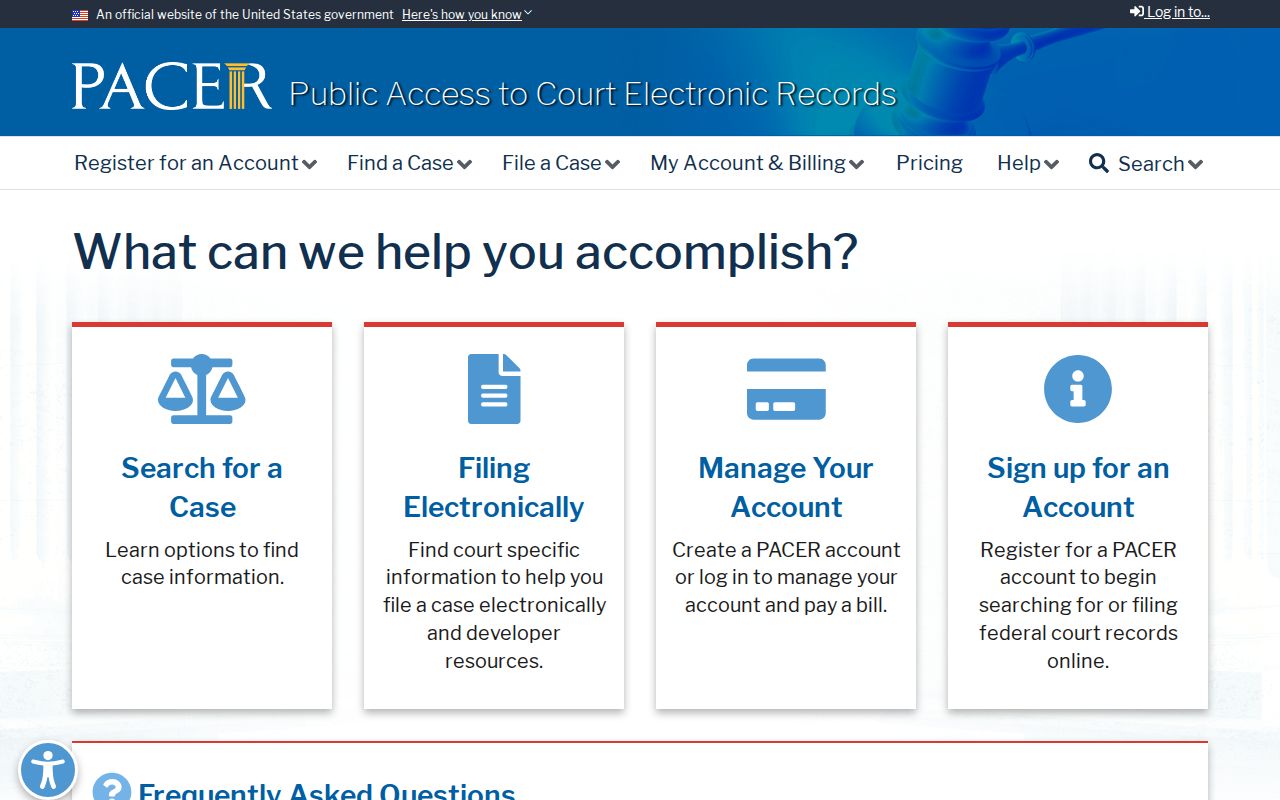
For federal docket research in Charleston County, the PACER federal case-record portal provides public access once a case number is known.
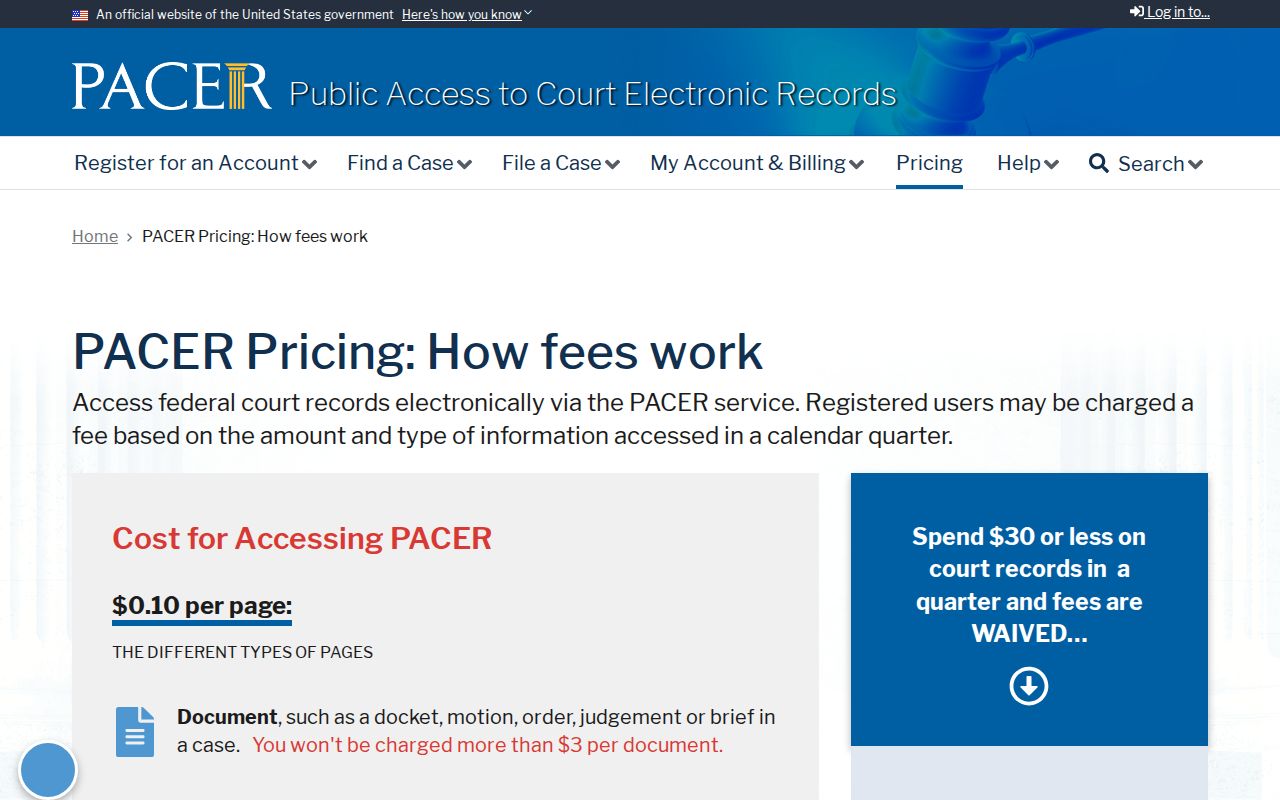
Before searching, review the PACER fee guidance for document-access charges and free-access exceptions.
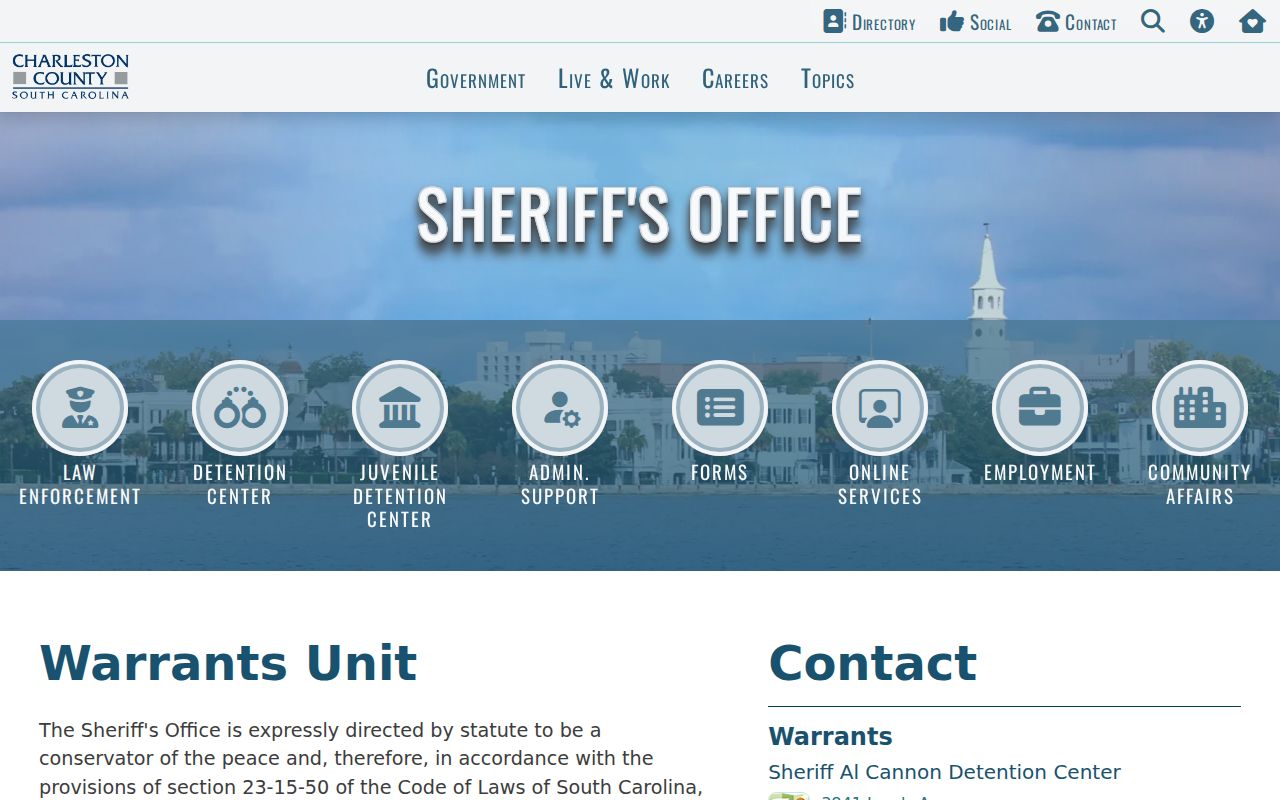
CCSO Warrants Unit
3841 Leeds Avenue, North Charleston
(843) 529-7391
Weekdays, 7:00 a.m. to 5:30 p.m., county holidays excluded.
Summary Court Administration
4045 Bridge View Drive, Suite B-143
(843) 202-6600
Ask which magistrate office holds the case.
Charleston County Confirmation Steps
Got a Sheriff warrant question? Call the Warrants Unit during its posted hours. The Charleston County office also publishes Warrants@CharlestonCounty.org, but its email instructions ask for sensitive identifiers, so phone or walk-in works better. Ask first what details staff actually need before sending anything private over email. After hours, follow the current official dispatch instruction for your situation. CCSO materials list Consolidated Dispatch at (843) 202-1700 and non-emergency dispatch at (843) 743-7200 in different contexts, and neither is a CrimeStoppers line. Use 911 only for immediate danger, and use the Warrants Unit for a personal status question. The CCSO Warrants Unit page explains the office and how to arrange a surrender, so read the official Warrants Unit instructions before any in-person visit to Charleston County.
Ask whether an appointment and a specific court location are required.
Restricted Warrants and Access Rules
Some warrant and case files stay closed to a public name search. South Carolina law restricts juvenile identifying records, and sealed or investigative records can be withheld too. A clerk can walk you through requesting a public copy, though no law lets the clerk release a confidential record. Also note that South Carolina has no public statewide warrant-search portal. SLED CATCH is a paid criminal-history service, and SLED says it does not include wanted-person information, so a Charleston County search cannot replace the court, city, or federal channel that actually holds the record.
Access limits:
South Carolina FOIA allows access to public records subject to exemptions.
Juvenile record law restricts identifying information.
A missing result is not proof that no process exists.
Charleston County Record Requests
A Sheriff FOIA request suits one specific Sheriff record, not a bulk list or an urgent status check. Charleston County's official form asks for the record description, date range, case number if known, and subject details needed to tell the record apart from others. It also wants the incident location, other involved names, and requester contact information. A narrow request gets routed faster than a blanket ask for all warrants. The fee schedule covers copy, staff search, disk, email-search, older-file, and postage charges, and estimates can require a deposit. Exemptions or redactions may apply. Ask for a written estimate before approving any work, and send court-file copy requests to the Clerk of Court or the issuing municipal clerk rather than the Sheriff.
Charleston County Warrant Safety
If the search is about you, note the result date, call the right office, and ask what safe step comes next. Helping a family member instead? Let that person speak with the court or counsel whenever possible. Never send another person's Social Security number to an unofficial service, and do not use a public search to track someone. A warrant search is not legal advice either. A Charleston County court may have recalled or changed a warrant after an online page was last updated, so confirm current status with the issuing court or the Sheriff. Keep the written order, receipt, or bond paperwork that follows, since that paper answers questions later.