
Charleston County Arrest Warrants Explained
An arrest warrant rests on a court order. It lets officers take a person into custody. South Carolina law lets a magistrate issue arrest process when statutory conditions are met, and a complaint from a private person often takes a courtesy-summons route instead, unless a legal exception applies. In Charleston County, treat the court's order, the underlying charge, and the Sheriff's service status as three separate facts. A public name result proves none of them. It does not show that a warrant is active or that the match is the right person.
Charleston County Probable-Cause Process
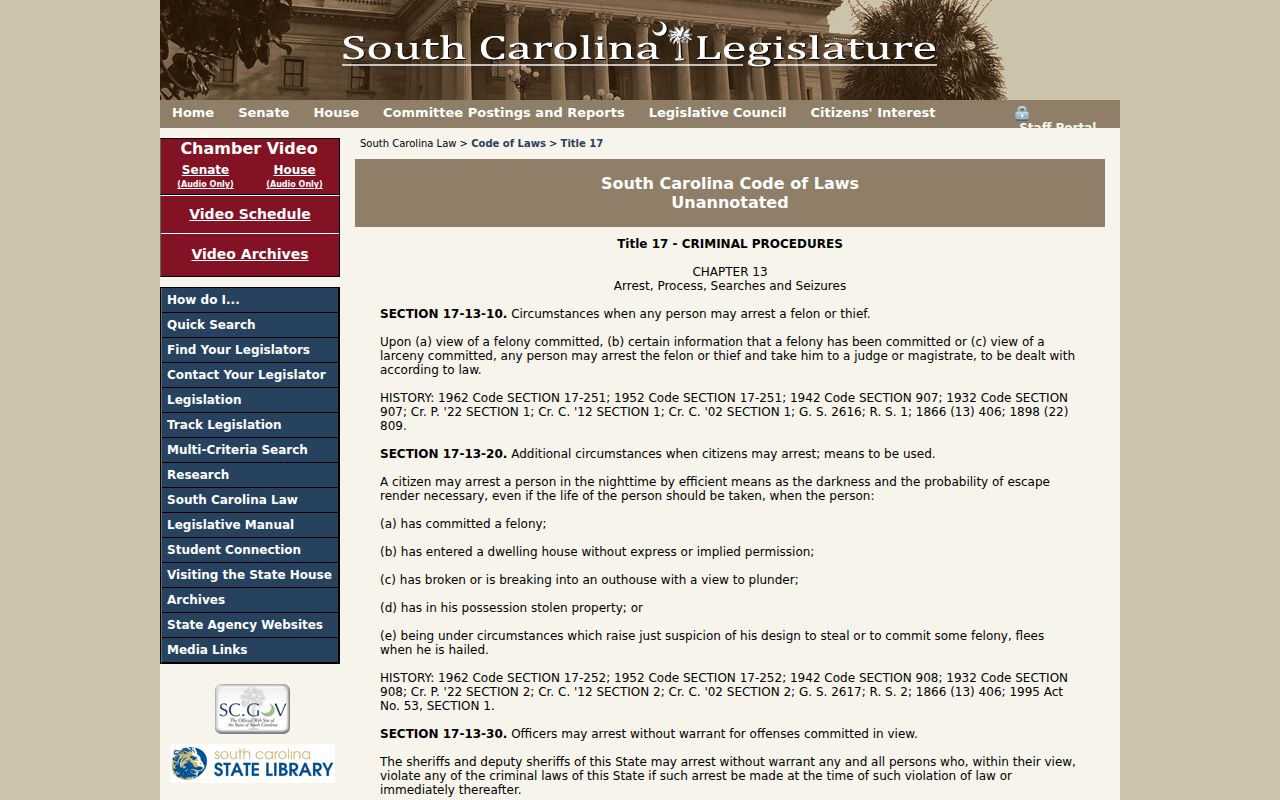
The process starts with an officer. The officer swears out the basis for the requested arrest. A judicial officer then reviews that showing and may issue a warrant or take a summons route. Charleston County's official form inventory describes the fields: issuing court, offense, incident number, subject identifiers, officer, and service information. No sample person's details appear on it. South Carolina Code §22-5-110 covers Summary Court arrest-warrant authority and the courtesy summons procedure. The exact form and court depend on the charge and jurisdiction, so confirm the issuing court from your paperwork. Title 17 also sets warrant procedures for searches, and Charleston County readers can check the current arrest and search-warrant chapter for statutory context.
Inside a Charleston County Arrest Warrant
A warrant packet can hold more than the public case index shows. Inside may be the order, a supporting affidavit, an offense description, an incident number, officer information, the issuing judge, and later service or return entries. The Charleston County fields stay generic. A sample number is only a reminder. Use the identifier on your own court paper. No one number pattern is shared by every county, municipal, and magistrate court.
| Issuing court | Identifies the judge or clerk for court questions. |
|---|---|
| Offense | Names the charge or short description. |
| Affidavit | May state the sworn facts supporting issuance. |
| Service | Shows a later action by the Sheriff or police. |
| Illustrative field | Case number shown on your own paper |
Charleston County Warrant File Layers
The Sheriff's Warrants Unit holds physical control of criminal warrants its office receives. It also assigns deputies to locate defendants. The issuing court keeps the case itself. That court can explain the charge, a return date, or a later order. A Sheriff service entry does not decide the case. Charleston Police and other municipal departments across Charleston County may keep city process separately. One desk's search result can miss another agency's warrant, so ask the court and the serving unit which record each can confirm.
Serving Arrest Warrants in Charleston County
In Charleston County, CCSO deputies serve the warrants the Sheriff receives. Serious or violent warrants get priority attempts. Other service work may wait on better location information. Municipal police and other peace officers can serve process within their own authority. Never try to locate or serve anyone yourself. If the warrant concerns you, call the Warrants Unit at (843) 529-7391 and follow its current instructions. The office lists weekday hours and appointment-based procedures for some warrants; after-hours dispatch is for urgent agency assistance, not a substitute for counsel.
Public Copies and Sheriff Records
In Charleston County, ask the issuing clerk for a copy of a warrant or affidavit when the law permits release. S.C. Code §22-5-210 governs furnishing that copy. The Sheriff may hold a separate operational file with service notes, so a request aimed at the wrong office can return only part of the record. For a specific CCSO record, the public FOIA form asks for a description, a date range, a case number if known, and identifying details that distinguish the file. Sensitive details may be redacted. Investigative or juvenile material may be withheld. Charleston County requesters should ask for an estimate before authorizing search work.
Comparing Arrest, Summons, and Bench Warrants
A summons tells a person to appear in court. A bench warrant usually follows a missed court obligation. In Charleston County, an arrest warrant begins with a probable-cause process for an offense, and the paper plus its issuing court show which procedure applies.
| Process | Why It Starts | Next Contact |
|---|---|---|
| Arrest warrant | Probable-cause application | Warrants Unit and issuing court |
| Summons | Notice to appear or answer | Court named on the summons |
| Bench warrant | Missed date or court-order issue | Issuing court, then serving agency |
These routes can overlap in Charleston County over time, and a warrant may be served while the underlying case stays open.
Charleston County Court and Charge
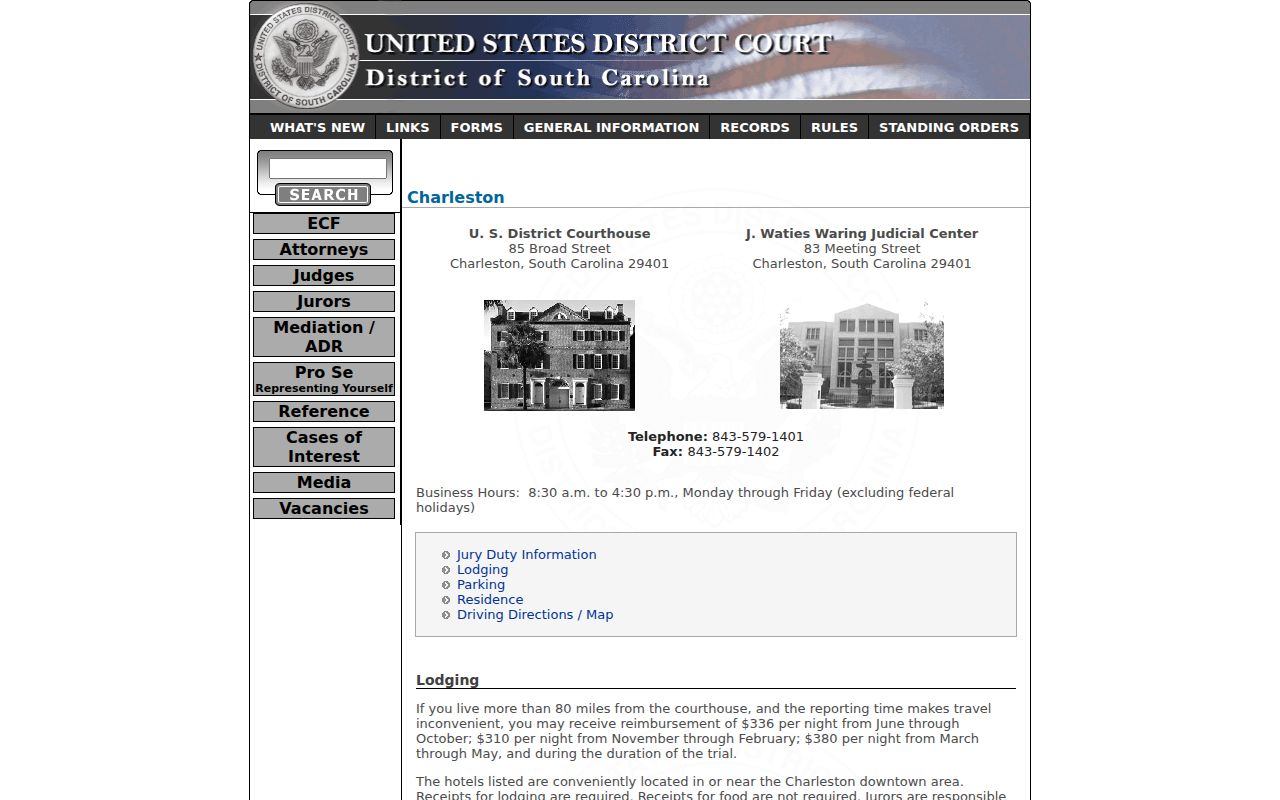
Magistrates in Charleston County handle many qualifying misdemeanor and traffic matters. General Sessions takes the serious criminal cases. Its records run through the Clerk of Court at the Judicial Center. Family Court has its own warrant process, including specific child-support matters, and identifying juvenile information faces stronger privacy limits. The court named on the warrant matters. It controls bond and later filings. In Charleston County, a city payment clerk cannot recall a General Sessions order, and no Sheriff employee can change a judge's court date. Use the case paper or the Public Index. That identifies the right courtroom. For federal process, the Charleston courthouse page lists local location and visitor-access information.
If There's an Arrest Warrant for You
Confirm the court and the warrant status first, with the Charleston County Warrants Unit or the issuing clerk. Then ask the practical questions. Do you need an appointment? Where will the bond hearing be held? What identification should you bring, can counsel arrange contact, and is any payment accepted? One caution: never send an SSN through ordinary email unless the office confirms a secure method. A lawyer can also discuss a controlled surrender, a bond request, a recall motion, or another court remedy. CCSO describes appointment-based surrender for certain warrants, though release always turns on the charge and the judge's decision. After the appearance, keep your receipt, your bond terms, and your next court date.
A public search is not an identity test. Do not confront another person or treat a matching name as proof.
Charleston County Arrest Record Limits
The Public Index offers useful context for public General Sessions cases. Still, the index warns that its information may be wrong or out of date. Home addresses stopped appearing there on January 1, 2026. Juvenile and sealed records face stricter access limits, and South Carolina juvenile-record law restricts disclosure of identifying court and law-enforcement records. Even a warrant or affidavit a Charleston County court maintains may never show up online.
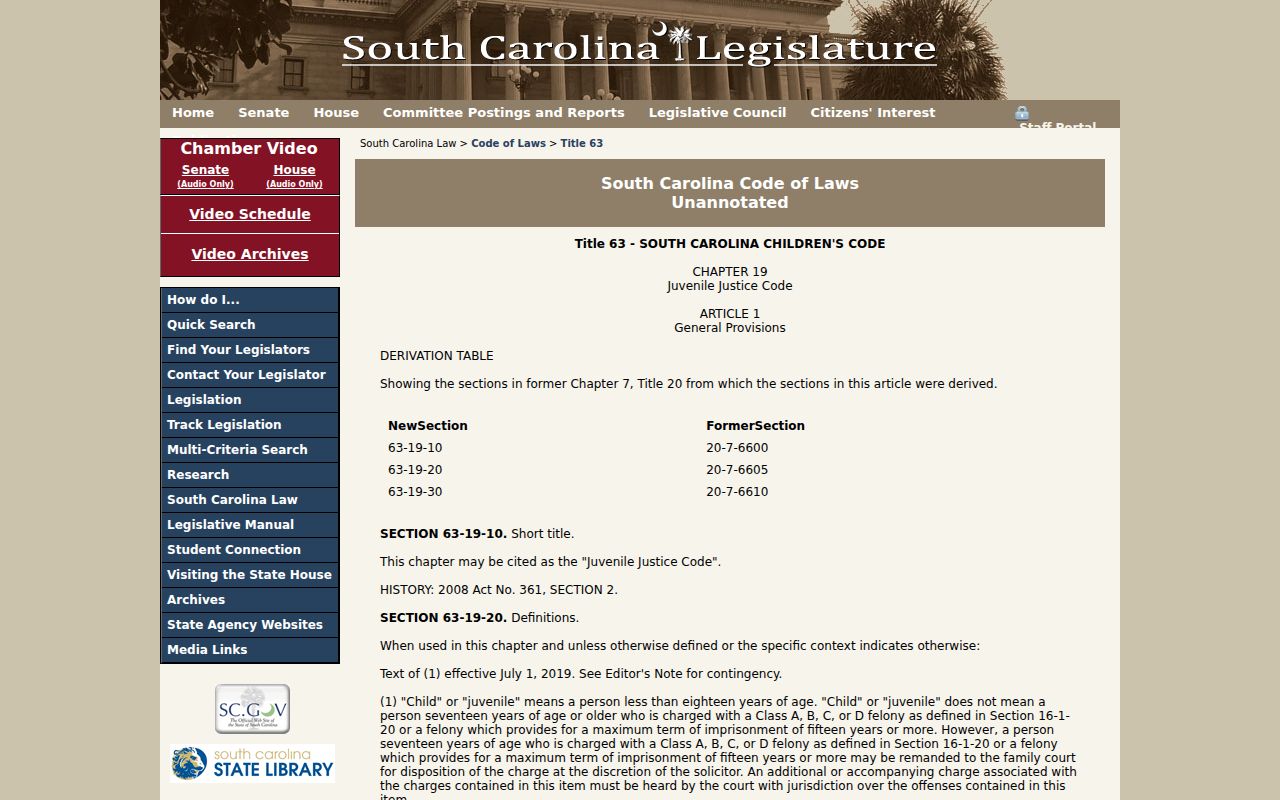
For statutory context, read the official South Carolina arrest and search warrant laws. Then ask the issuing court for a releasable copy. The official Summary Court law covers arrest-warrant authority and public access to copies. For a county overview of checking and resolution contacts, see Charleston County warrant records.
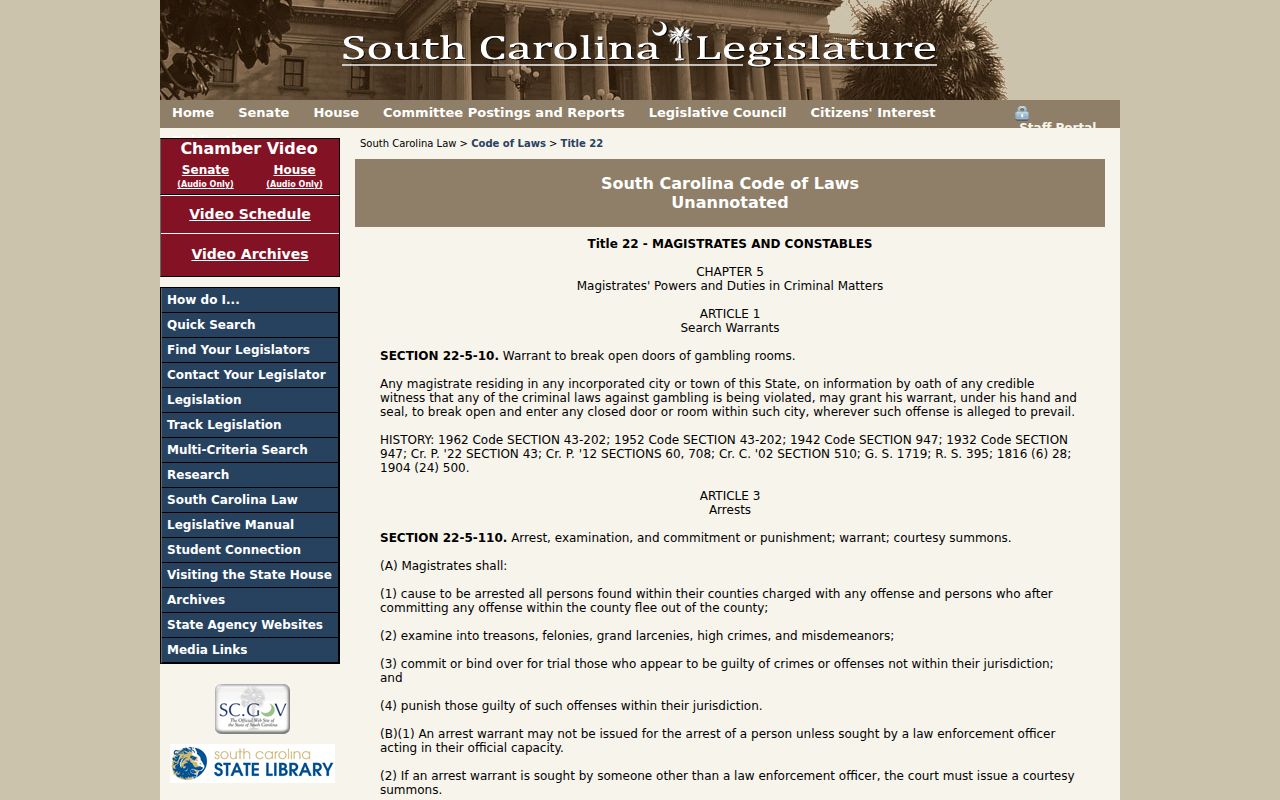
Use the statute for general context, and ask the issuing Charleston County court about a specific releasable record.