
Charleston County Bench Warrants Explained
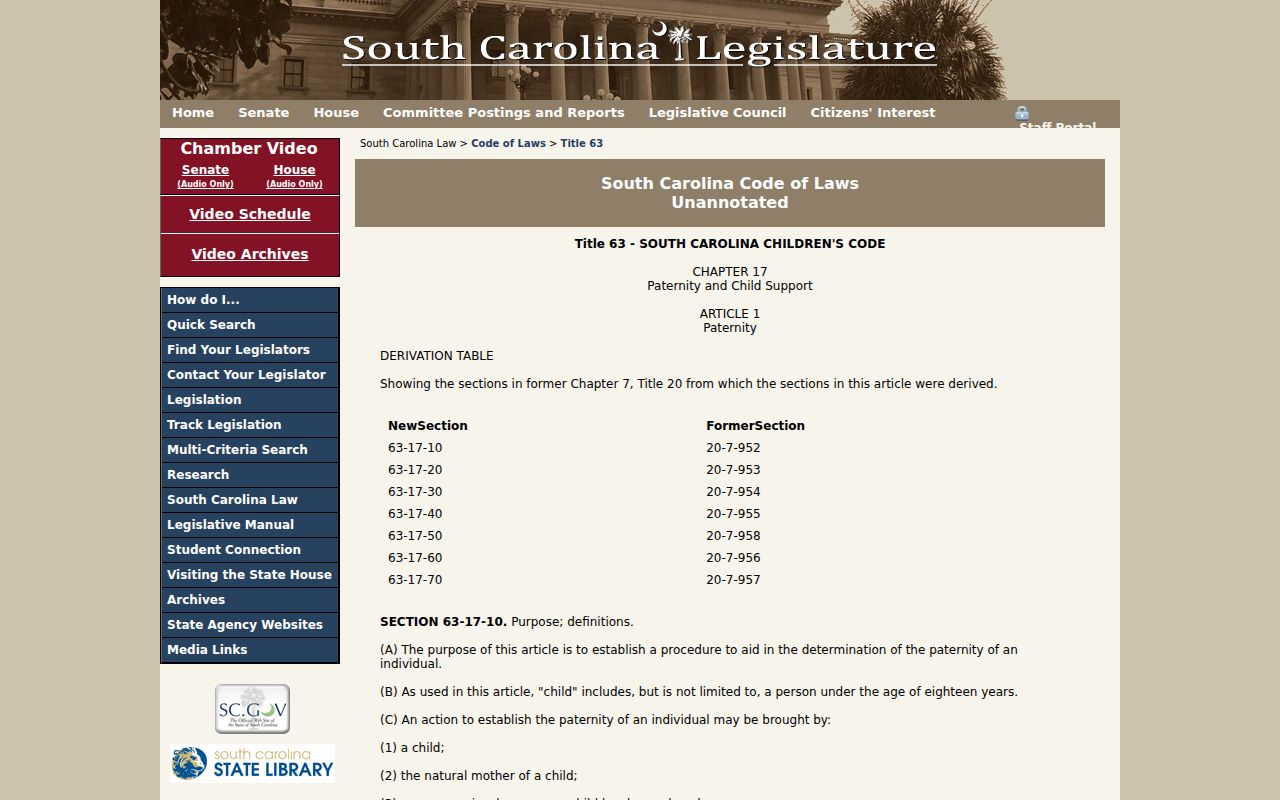
A bench warrant in Charleston County starts with a missed appearance or a disregarded court order. South Carolina's public forms draw a line between a bench warrant after failure to appear and one issued after a trial in absentia. The reason matters. So does the court. A traffic ticket, an arrest warrant, and a bench warrant are three different things, and treating them as interchangeable wastes a call. CCSO tells anyone who missed a magistrate date to contact that issuing magistrate directly. If the court confirms a warrant, call the Sheriff Warrants Unit at (843) 529-7391 and ask how service works. One caution: a search under the county name may miss a city case or a Family Court matter entirely. Support cases run on their own statutory track. The child-support warrant provisions spell out when that process may issue and how it is served.
Charleston County Failure-to-Appear Forms
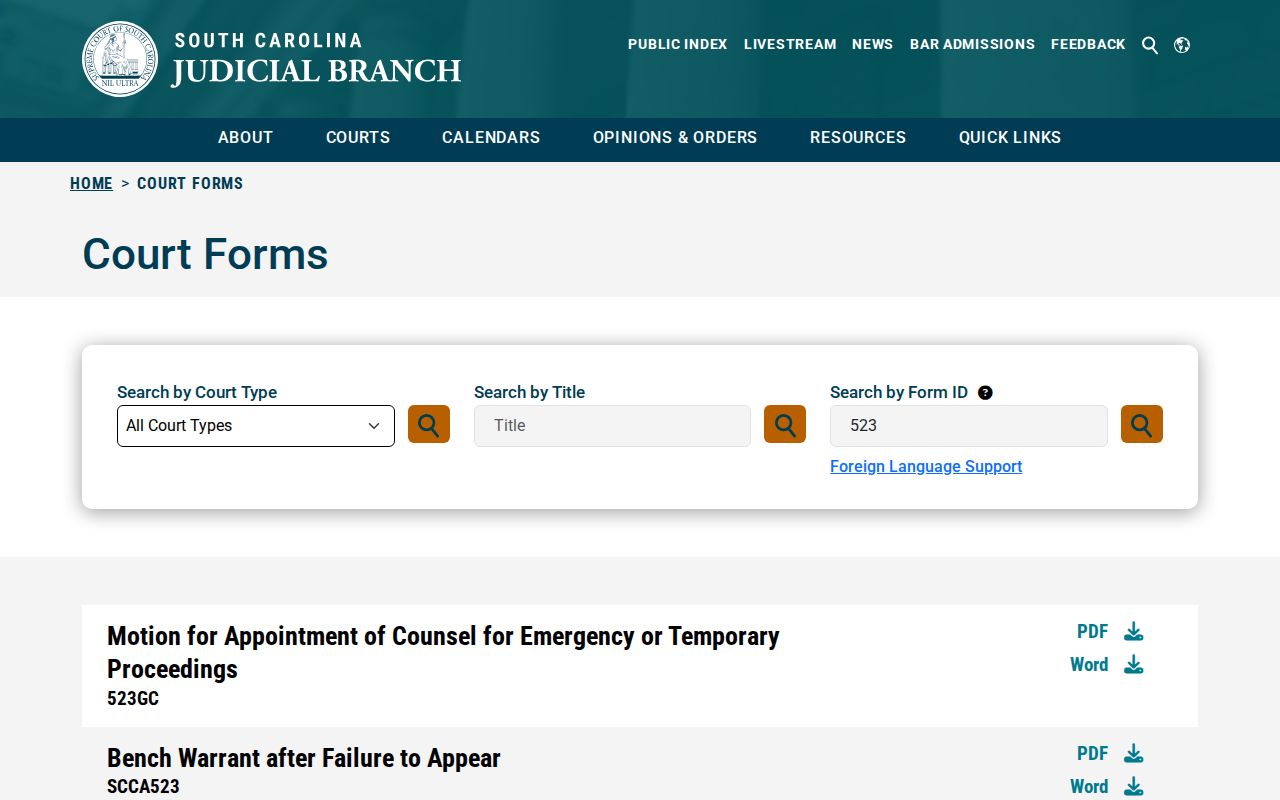
South Carolina's Judicial Branch publishes two distinct failure-to-appear forms: SCCA523, the bench warrant form, and SCCA522, the trial-in-absentia version. Knowing the difference helps a Charleston County clerk pull the right court action fast. Neither form is a live warrant lookup. They label paperwork, nothing more. So ask the court for the file, the hearing date, and whatever action it expects from you. A blank downloaded form tells you little about your own case. Court staff can walk you through filing steps, though they cannot say whether a legal motion fits your situation. The Judicial Branch SCCA523 page shows the official category.
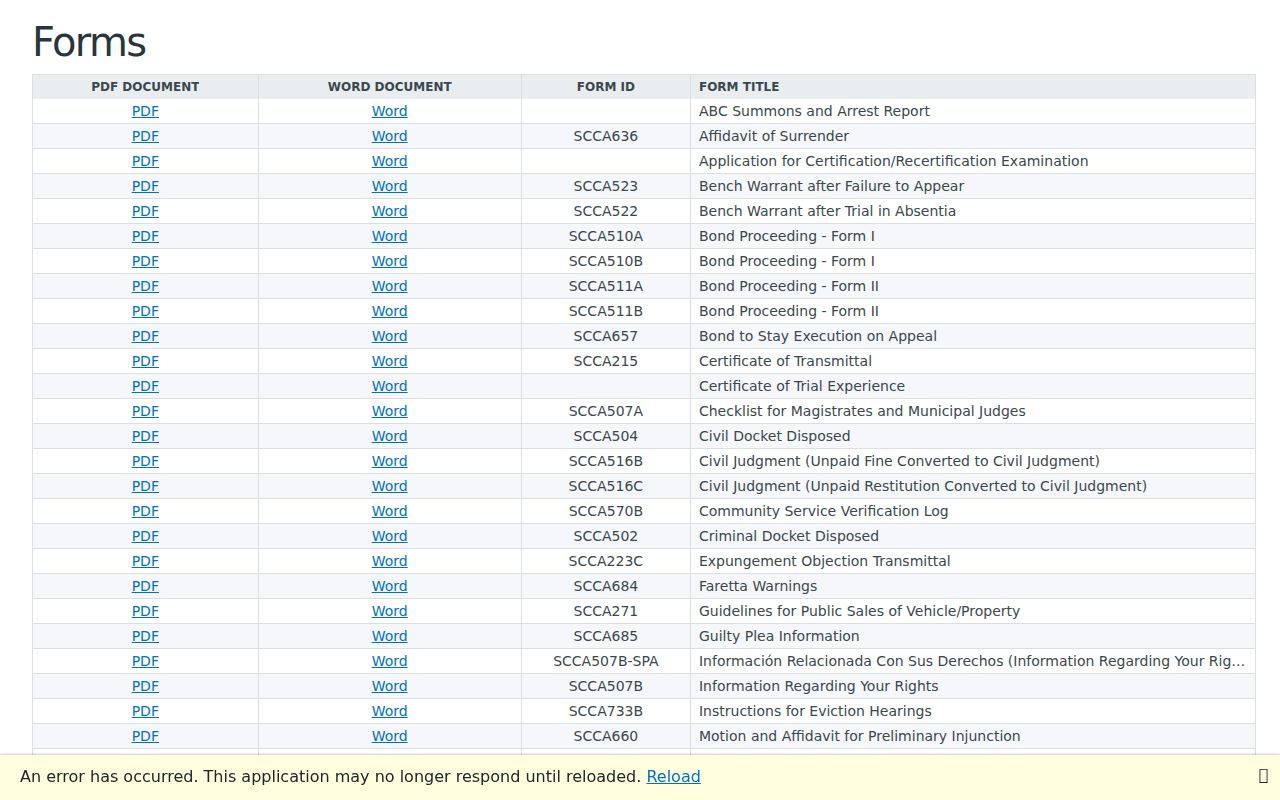
Before filing anything, check the state form index for updates. The Judicial Branch also keeps a summary-court index. Open the official form list to tell a Charleston County failure-to-appear form from other bench-warrant paperwork.
Use a form only when the court confirms it applies to your case.
How Charleston County Bench Warrants Are Issued
In Charleston County, a judge or magistrate issues bench process when a required appearance is missed or an order goes unheeded. The file usually stays with the court that set the case. Later it may move to the Sheriff or city police for service. That split shapes who to call. The issuing court can explain why the warrant exists; the serving agency can say whether it arrived and whether anyone was served. Charleston County Summary Court spreads its work across 19 magistrates plus several local offices, so a missed county magistrate date belongs with that specific office. Routing it to a city payment window, or to the Clerk of Court by default, usually just burns time.
Charleston County Bench Warrant Steps
Start with the court. Ask for the case number, the type of warrant, any amount due, and whether the judge expects you in person. Then ask the Warrants Unit if an appointment or bond hearing must be set first. On a serious Charleston County matter, talk to counsel before surrendering.
- Find the court named on the ticket or notice.
- Ask if the case was continued or a warrant issued.
- Confirm the Sheriff or city police has the warrant.
- Ask about a motion, payment, bond, or court appearance.
- Keep the order, receipt, and new date in writing.
These questions help separate an unpaid fine from a warrant that needs a judge.
Bench Warrants and Arrest Warrants Compared
A bench warrant in Charleston County follows a court event or order. An arrest warrant follows a probable-cause application about an offense. The first sends a person back to court. The second starts custody on a charge. Both can end in arrest, yet the issuing record and the office that resolves each one can differ.
| Point | Bench Warrant | Arrest Warrant |
|---|---|---|
| Typical trigger | Missed date or court-order issue | Probable-cause process |
| Issuing source | Judge or magistrate on the case | Magistrate or other authorized judge |
| First contact | Issuing court, then serving agency | Warrants Unit and defense counsel |
| Case effect | Return to court or comply with order | Arrest process while charge remains pending |
Missed Magistrate Date in Charleston County
CCSO's published advice is simple: call the magistrate court where the person was due. No bench warrant? The magistrate may explain whether a fine can just be paid. If the court says one issued, CCSO describes setting an appointment with the Warrants Unit and bringing the exact cash fine to Bond Court for that missed-date situation. That is not a universal payment rule. The judge, the charge, the bond, and the court's order control. So call the issuing court and the Warrants Unit both before you show up anywhere in Charleston County. For anything beyond a simple fine, ask whether a lawyer should arrange the appointment instead.
Resolving a Charleston County Bench Warrant
Resolution can take several shapes. A scheduled return, a bond, court-authorized payment, or a motion to recall, quash, reopen, or continue the case all appear in Charleston County practice. The right one depends on the record itself. A clerk can hand you dates and filing steps. A lawyer can weigh the legal request. CCSO describes a voluntary-surrender appointment for certain VCL warrants, with a bond hearing after service. A personal-recognizance bond may be considered, but that is a judicial call. Release does not dismiss the charge or erase the new court date.
Confirm the office, appointment, payment form, and bond hearing location before traveling. Keep every court order and receipt.
Charleston City Court Payment Rules
Charleston Municipal Court sits at 180 Lockwood Boulevard and handles the city's cases. Its own payment page warns people with criminal or bench-warrant matters to contact the court before paying online. A portal may take a fine for an eligible ticket and still leave an appearance or warrant open. The city also posts a bond schedule and an estreatment process for sureties after a failure to appear or a release violation. A surety gets a seven-day window to obtain a copy of the bench warrant, and a 90-day period applies to forfeiture. Check the current instructions for your exact case. Charleston County residents facing a city matter should read the city fine and bond rules before paying.
Charleston County Bond Depends on Court
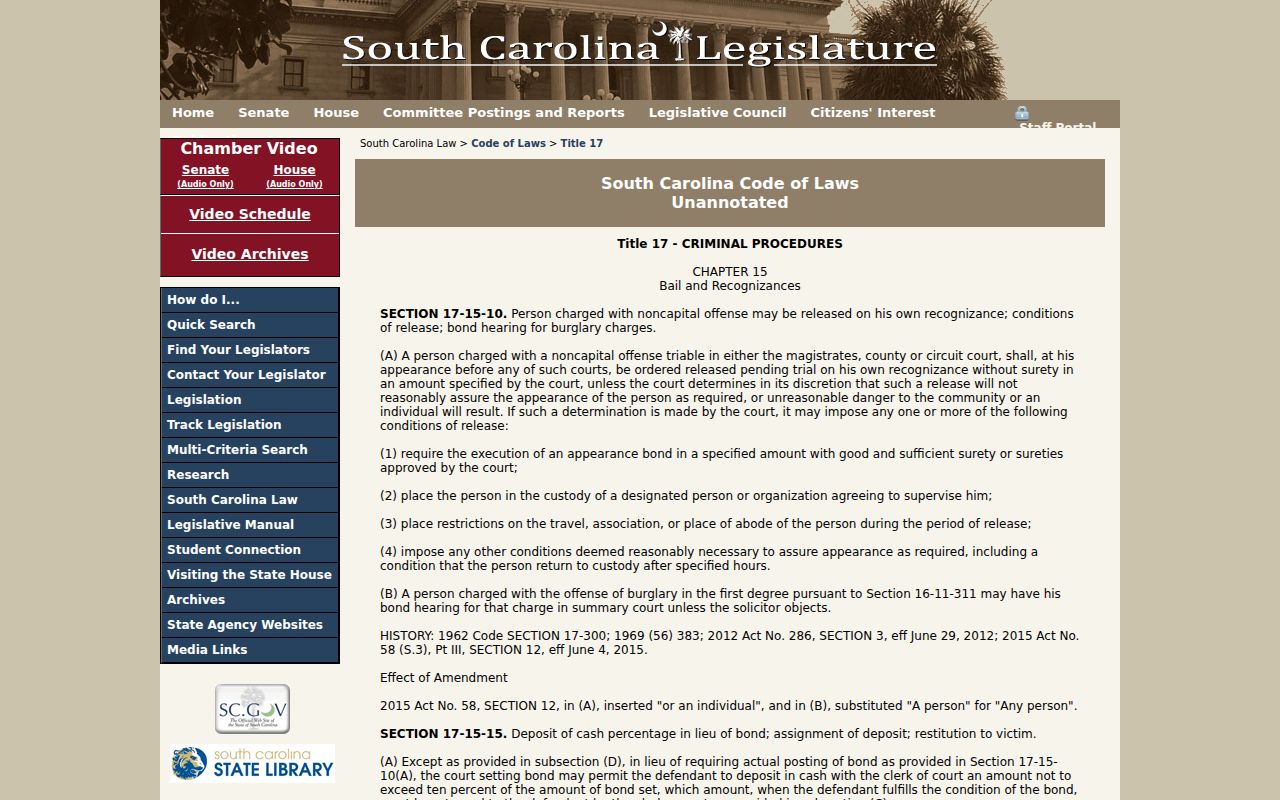
Bond in Charleston County depends on which court holds the file. Centralized Bond Hearing Court sits at 3831 Leeds Avenue, Suite 200. Centralized Preliminary Hearing Court is Suite 100. Those are two separate functions, and a city bond court, a county magistrate bond setting, and a General Sessions matter can each run on different procedures and schedules. So ask the issuing court what applies to the specific case. North Charleston Police policy, for instance, sets no bond on some General Sessions bench warrants, while certain municipal or magistrate matters carry a preset fine or days. That stays a North Charleston procedure, not a countywide promise. The state appearance-bond provisions spell out release terms and what happens after a missed court date.
Finding the Court That Issued the Warrant
The court printed on the citation, bond paper, or Public Index entry is your starting point. County magistrate cases belong to the issuing magistrate or Summary Court Administration. General Sessions and Family Court matters route through the Clerk of Court and the relevant judicial center. For a municipal warrant, contact the city named on the ticket. Unsure which bench controls it? Give the clerk the case number and date, then ask where the next event sits. Do not assume the Charleston County Sheriff search covers every city warrant, because it does not. The Ninth Circuit court directory lists city court contacts.